Stone-Ground vs Roller-Milled Flour: What Actually Changes in the Bake
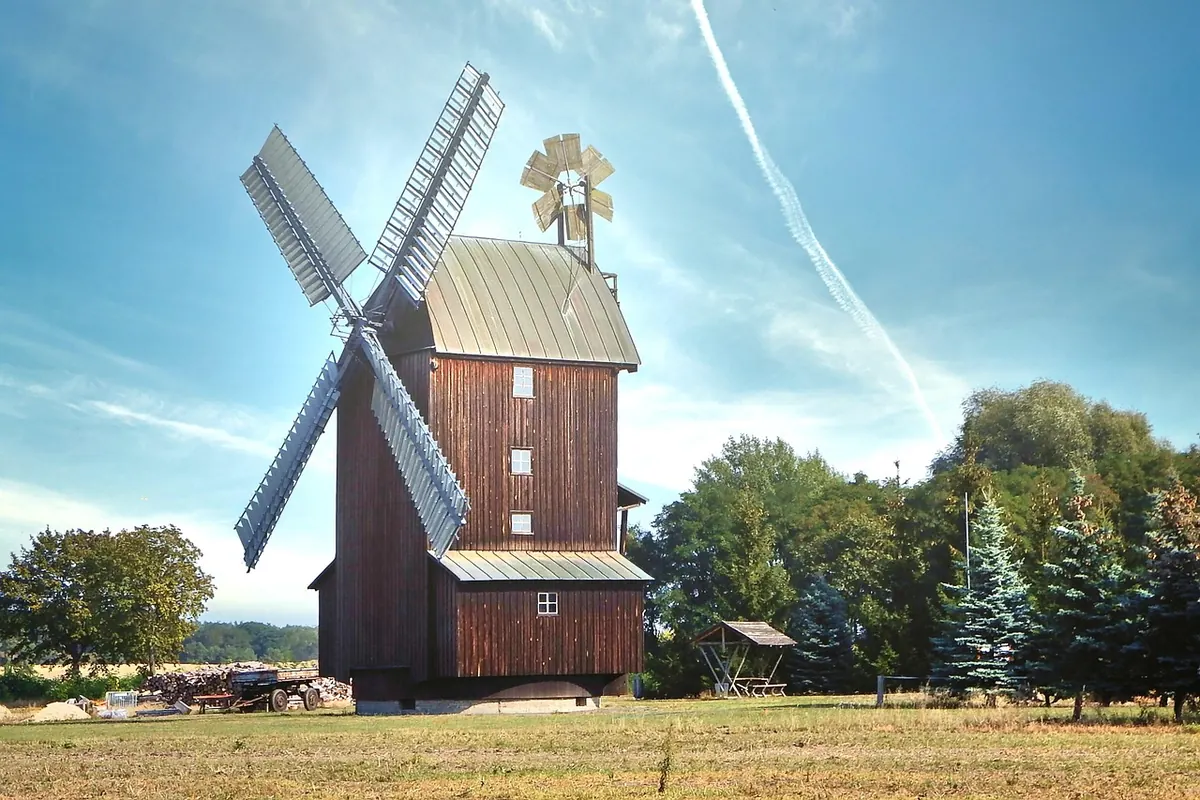
Two bags of flour can sit side by side on a shelf, both labelled whole wheat, both milled from the same wheat variety, and still behave like distant cousins in your kitchen. The difference usually comes down to what happened between the grain and the bag. Stone grinding and roller milling are not just two techniques; they are two ways of deciding what a flour particle looks like, how much bran ends up in it, and how it will take up water four hours later when your dough is on the bench.
Neither method is automatically better. A roller mill can produce a beautifully consistent whole wheat flour; a stone mill can produce a coarse, uneven flour that bakes like a brick if you treat it like white flour. What matters is knowing which one you're holding and what it wants from you.
Two machines, two very different approaches
A roller mill is a sorting machine as much as a grinder. Grain passes through a series of fluted and smooth steel rollers, each pair set a little tighter than the last, and between each pass the stock travels over sieves. The aim is gradual reduction: open the grain, scrape the endosperm away from the bran, and separate the two before grinding fine. Bran, germ and endosperm leave the mill as separate streams, and a flour is then built by recombining them in whatever proportion the miller chooses. That's how you get a 100% extraction whole wheat flour and a 70% extraction white flour from the same wheat.
Stone milling is closer to a single gesture. Grain is fed between two stones — one stationary, one turning — and everything that goes in comes out as flour. Nothing is separated. The bran is in there, the germ is in there, and the particle size depends on the gap between the stones, the speed of rotation and how many times the flour passes through.
The heat question
Stones turning fast and set tight generate heat, and heat is not kind to gluten or to the oils in the germ. A well-run stone mill turns slowly and keeps the flour cool to the touch; a badly set one can leave you with flour that's warm and noticeably less lively. Roller mills run cool by design, which is one reason they became the industrial standard. If you buy stone-ground flour regularly, it's worth asking the miller about stone speed — most are happy to talk about it.
Texture: it's about the shape of the particles
Roller-milled white flour is uniform. The particles fall into a narrow range, and because the bran has been sifted out, the flour feels smooth and flows like powder. You can predict it. Add 65% water and you know roughly what you'll get.
Stone-ground flour is a spread, not a single thing. One bag can contain fine flour, gritty middlings and flakes of bran, and that range has consequences. The coarse particles hydrate much more slowly than the fine ones, so the dough can feel dry for the first ten minutes and then suddenly tighten. In an unsifted stone-ground whole wheat you'll often feel grit between your fingers — that's not a defect, it's just the grind.
Sifting is the tool here. A 40 or 50 mesh sieve will take out the coarsest bran; soak it in hot water and fold it back into the dough later, which gets you the flavour without the sharp edges tearing at your gluten.
Bran, the part that changes everything
Bran does two difficult things in a dough. It absorbs water — a lot of it, several times its own weight — and it does so competitively, pulling moisture away from the starch and the gluten that need it. And it acts physically, as small flat shards that interrupt the gluten network as it tries to form sheets.
The size of those shards matters. Very fine bran damages the network less but is harder to hydrate evenly; coarse bran hydrates easily but cuts more. This is where roller milling has a quiet advantage: a miller can grind the bran to a chosen fineness before recombining it, giving a whole wheat flour that behaves more predictably than a stone-ground one. Many bakers find recombined whole wheat easier to work with, even when they prefer the flavour of the stone-ground.
There's also a simple arithmetic point. Whole wheat flour contains bran and germ, so any given weight of it holds less endosperm — and therefore less gluten-forming protein — than white flour from the same wheat.
Absorption, and how to feel your way
Whole grain flour almost always wants more water than white flour, and stone-ground whole grain often wants the most, because of those coarse, thirsty particles. Treat the recipe's number as a floor rather than a target, then add in small increments and stop when the dough feels right. With whole wheat, "right" is usually a little softer and stickier than you'd expect for white flour; it firms up as the bran drinks.
- Autolyse for 20 to 40 minutes before adding salt or starter. Coarse particles need the time.
- Hold back 5 to 10% of the water and add it after the first mix, once you can feel what the flour is doing.
- Sift and soak the coarse bran if you're chasing volume in a high-percentage whole wheat loaf.
- Give the dough more folds and fewer minutes of machine mixing — whole wheat rewards gentle development.
- Expect a faster bulk fermentation, especially with fresh-milled flour.
What actually changes in the bake
Flavour first. Stone-ground flour carries the germ's oils and more of the bran's aromatic compounds, and fresh-milled flour smells sweet and grassy in a way bagged flour rarely does. That comes through in the crust.
Volume is the usual trade. Whole grain loaves tend to be shorter and their crumb tighter, and stone-ground whole grain, with its wider particle range, is often the tightest of all. Not always — a well-hydrated, well-fermented stone-ground loaf can be remarkably open — but the default is denser.
Fermentation runs quicker. Bran brings minerals and enzymes, and doughs made with fresh stone-ground flour can move noticeably faster than you expect, particularly in a warm kitchen. Watch the dough, not the clock.
Keeping is a mixed picture. The bread usually keeps well, because whole grain doughs carry more water. The flour does not: germ oils go stale within weeks. Buy stone-ground whole grain in amounts you'll use, and store it cool — the freezer is fine.
Reading the bag
"Stone-ground" doesn't mean whole grain. You can stone-grind and then sift, producing a stone-ground white flour. And "whole wheat" from a roller mill is a recombined flour, not a whole-grain grind. Look for the extraction rate, the mill date and the protein figure. All three tell you more than the word on the front of the bag.
Practical adjustments to make this week
- Bake the same recipe twice, once with each flour, and change nothing else.
- Note the water you actually used, not the water the recipe asked for.
- Record how long bulk fermentation took in your kitchen.
- Try one loaf with sifted bran and one without.
- Write the mill date on the bag with a marker so you use it in order.
Do that once and you'll stop treating stone versus roller as a debate and start treating it as a variable you know how to handle.
Photo: hansbenn / Pixabay